
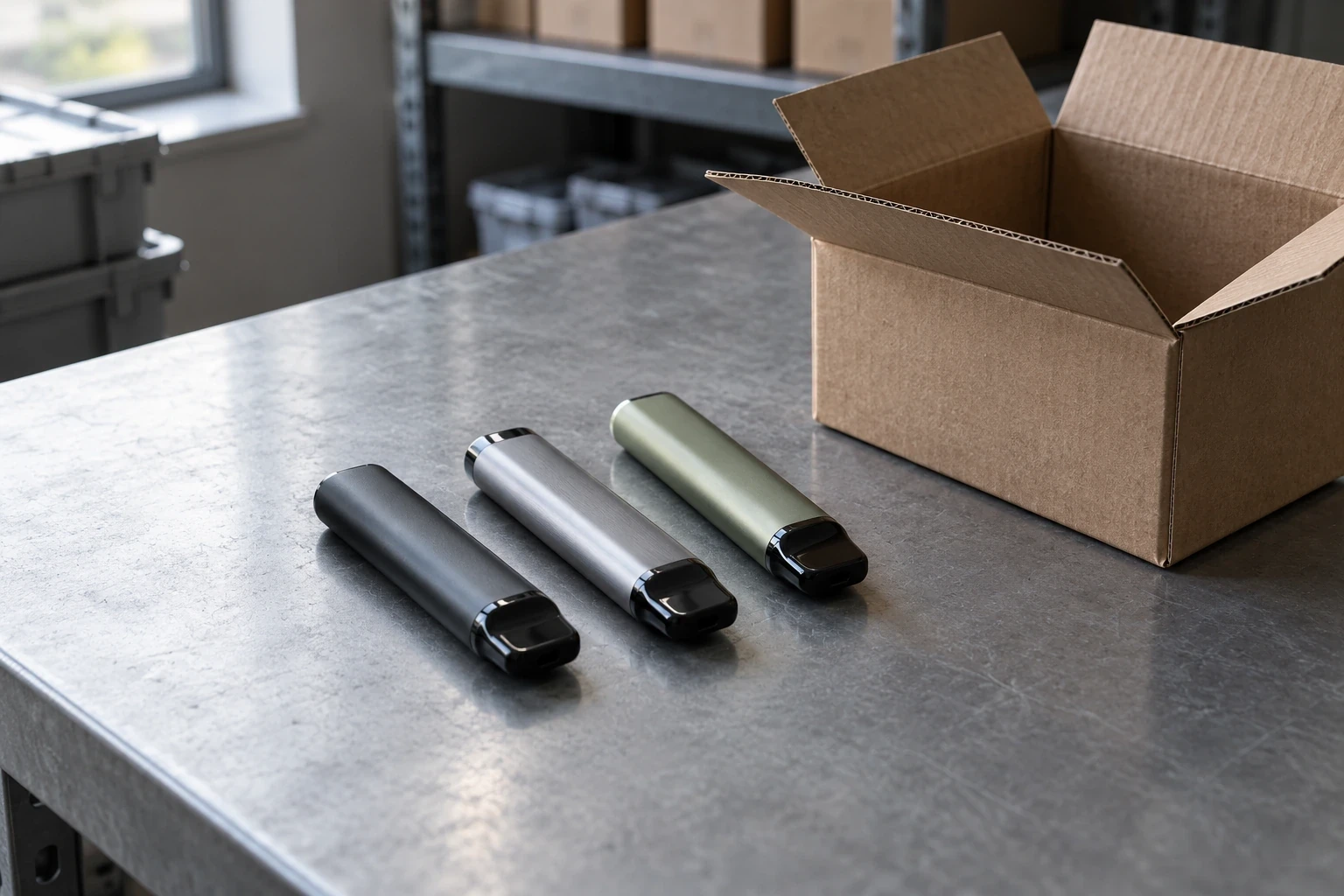
Retailers and wholesalers should now treat the single-use vape ban as an ongoing compliance obligation. Since 1 June 2025, businesses have been prohibited from selling or supplying these products, offering them for supply, or holding them for that purpose. The ban covers online sales and nicotine-free products as well as nicotine vapes.
Separate regulations apply in England and Wales. Although the principal prohibition is aligned, enforcement procedures and penalties differ. Businesses trading across the border should identify which rules govern each outlet and transaction.
A rechargeable battery is not enough
The product’s design determines whether it is reusable. It must be rechargeable and refillable. Where it contains a coil, that coil must be replaceable by the user, either directly or as part of a replaceable pod or cartridge. Required replacement components must be available for consumers to purchase separately.
A sealed device does not become compliant merely because it has a charging port. Equally, a supplier’s use of “reusable” on an invoice or package is not conclusive. The retailer should be able to demonstrate how the device is refilled, how relevant parts are replaced and where consumers can buy them.
Keep product specifications, supplier communications and records of the checks undertaken. Revisit the assessment if the supplier changes the device or stops making necessary replacement items available. Products that satisfy the environmental rules must still comply with other applicable requirements, including those concerning safety, nicotine products and age restrictions.
Deal with stock and contractual losses separately
Prohibited products should be removed from shelves and online listings. Remaining stock awaiting recycling should be separated and clearly marked as not for sale. Arrange disposal through an appropriate recycling service and retain the collection records; ordinary waste disposal is unsuitable for devices containing batteries.
Whether the supplier must accept returns or reimburse the purchase price is a separate contractual question. Review the agreed specifications, compliance warranties, notification requirements and any limits on liability. Preserve purchase orders, invoices, stock records and the supplier’s representations before pursuing a claim.
For future orders, the contract should identify the product requirements and the evidence to be supplied. Agree how design changes, regulatory concerns and requests for replacement-component information will be communicated.
If an enforcement authority contacts the business
Read any notice carefully, identify the response deadline and preserve the relevant documents. Government guidance explains the evidence retailers should be able to provide during inspections, including that refill items are separately available. Do not assume that another retailer’s experience establishes the powers or penalties applicable to your business.
Balaghi & Rose advises on commercial supply disputes and regulatory investigations. Contact our team if prohibited stock, a supplier disagreement or enforcement correspondence requires an assessment.
General information only. This article concerns England and Wales, and reflects the position checked on 26 October 2026. It is not legal advice.